For years, buy-now-pay-later (BNPL) providers operated in a regulatory gray zone. Their products—typically "pay in four" plans with zero interest charged in four equal payments over six weeks—fell outside many state licensing requirements and the federal Truth in Lending Act (TILA). But that era is ending.
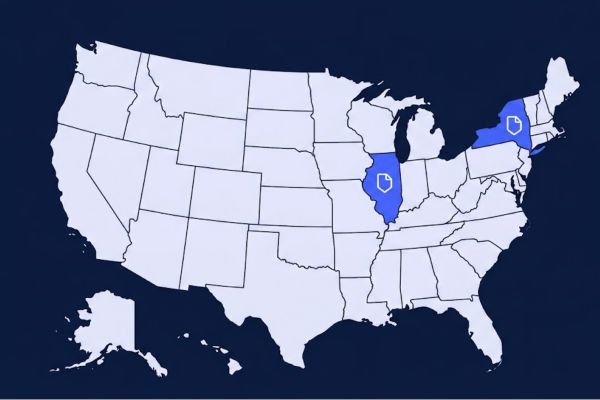
In May 2025, New York enacted the first state-specific BNPL licensing law, requiring BNPL providers to obtain licenses or authorization and comply with comprehensive regulatory requirements. This law is a watershed moment: it signals that BNPL will no longer be treated as an unregulated corner of consumer finance, and it's likely to inspire other states to follow suit.
This guide walks you through BNPL licensing requirements, explains what's changing, and helps you understand your compliance obligations across key states.
What Is BNPL and Why the Regulatory Shift?
What Exactly Is BNPL?
Buy-now-pay-later is a form of point-of-sale credit that allows consumers to make a purchase and spread payment over installments—typically four equal payments over six weeks, with no interest charged.
Typical Consumer Experience:
- Consumer selects a product at checkout (online or in-store)
- Consumer chooses "Pay in 4" option
- BNPL provider verifies consumer identity and conducts soft credit check
- Consumer is approved for credit instantly
- First payment is charged immediately; remaining three payments are charged over the next six weeks
- Product ships/consumer takes possession immediately
Key Characteristics:
- Short term: Typically 4–12 weeks
- Small amounts: Usually $50–$500 per transaction
- Zero interest (in traditional form)
- No monthly billing: Payments at irregular intervals (weekly/biweekly)
- Digital-first: Primarily available online or through mobile apps
Why BNPL Exploded Outside Traditional Regulation
When BNPL first emerged (around 2018–2019), it benefited from regulatory exemptions designed for other products:
Federal TILA Exemption: TILA (Truth in Lending Act) applies to extensions of credit repayable in more than four installments OR that charge a finance charge. BNPL's four-equal-installment, zero-interest structure fell outside TILA's scope, avoiding federal disclosure requirements (APR, finance charge disclosures, etc.).
State Licensing Exemptions: Many states' consumer lending licensing statutes similarly applied to loans charged interest or charged in more than four installments. Traditional BNPL—four installments, no interest—fell outside these definitions.
Result: BNPL providers boomed without needing state origination licenses, with minimal federal oversight, and with no standardized consumer disclosures. The industry grew from near-zero to over $20 billion in annual transaction volume by 2024–2025, attracting major players like Affirm, Klarna, Afterpay (now Square), Sezzle, and others.
Why Regulators Are Now Acting
Consumer Complaints: BNPL providers charged unexpected fees (late fees, convenience fees) that consumers felt were deceptive. Some BNPL companies reported rates of late fees exceeding what would be allowed as interest charges in traditional lending.
No Affordability Checks: Unlike traditional consumer loans, many BNPL providers conducted minimal or no income verification or affordability assessment. This led to consumers taking multiple BNPL plans simultaneously without understanding their total payment obligations.
Data Privacy Concerns: Many BNPL providers tracked and monetized consumer shopping behavior through their apps, raising privacy concerns—especially compared to more-regulated financial services.
Regulatory Inconsistency: BNPL operated differently across states and with different providers, creating confusion for consumers about what protections applied. Some state regulators moved to treat BNPL as consumer loans subject to licensing; others did not.
Federal Inaction: The Consumer Financial Protection Bureau (CFPB) initially took a light-touch approach, issuing a 2024 Interpretive Rule treating digital-account-based BNPL as credit cards under TILA. However, the CFPB signaled it would rescind that rule, leaving a regulatory vacuum that states moved to fill.
New York's BNPL Licensing Law: The Model for Nationwide Regulation
Timeline and Implementation
Enactment: May 9, 2025 (Senate Bill 3008, known as the New York Buy-Now-Pay-Later Act or "NY BNPL Act")
Effective Date: 180 days after the New York Department of Financial Services (DFS) promulgates implementing rules. DFS rulemaking is expected to conclude by late 2025 or early 2026, making the law effective in 2026.
Scope: Applies to all BNPL providers extending credit to New York residents, including both direct lenders and platforms facilitating BNPL lending by third parties.
Scope of NY BNPL Act
Who Must Comply:
The NY BNPL Act applies to persons who "offer" BNPL loans by either:
- Extending credit directly to a consumer, OR
- Operating a platform whose primary purpose is to enable third parties to offer BNPL loans
This means the law applies not only to BNPL lenders that fund loans directly, but also to:
- BNPL platforms/marketplaces
- Bank partnership structures where platforms operate the BNPL infrastructure
Definition of BNPL Loan:
A BNPL loan is an extension of closed-end credit to a New York resident for purchasing goods/services (excluding motor vehicles), regardless of whether or not the loan charges interest or finance charges.
This is a critical expansion: By applying to BNPL loans regardless of interest charged, NY law captures traditional "pay in four, no interest" products that TILA doesn't regulate. The law also applies to BNPL repayable in one or more installments—not just four.
Exemptions from Licensing:
The following are exempt from NY BNPL Act requirements:
- Banks and Credit Unions: National banks and federal thrifts (generally exempt from state lending laws)
- Retailers making credit sales: If the retailer is the seller of the goods/services being financed (traditional point-of-sale financing)
- Isolated or occasional transactions: Persons making only occasional BNPL transactions
- Non-consumer lenders: If the borrower is not a natural person
However, there are important limitations: State-chartered banks must obtain authorization for BNPL lending (not fully exempt), and online marketplaces hosting multiple sellers may be treated as lenders if they take nominal title to goods or facilitate lease-to-own structures.
NY BNPL Act: The Two-Tier Approval Scheme
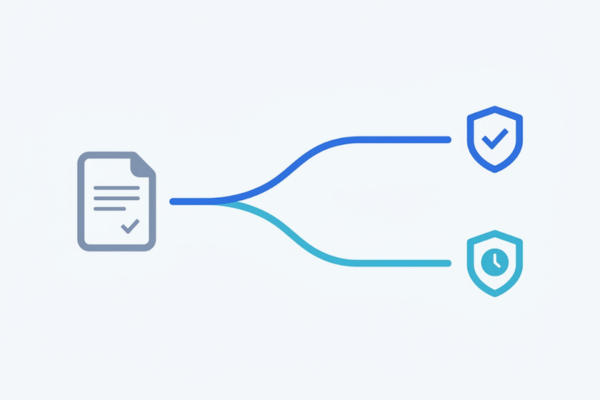
The NY BNPL Act creates two distinct approval paths: License (for non-bank BNPL providers) and Authorization (for banks and existing lenders).
License (for Non-Bank BNPL Providers)
Requirement: Non-bank BNPL providers must obtain a license from NY DFS.
Application Process: Providers must apply through an application designed by the DFS (expected to be administered through NMLS based on NY's current licensing infrastructure, but specifics TBD).
Likely Documentation Required (based on NY's other lending licenses):
- Business plan and loan program descriptions
- Financial statements (audited, if available)
- Background and credit checks plus personal financial statements for owners/principals
- Anti-money laundering, anti-fraud, and fair lending policies
- Compliance procedures for TILA and Regulation Z
- Data security and privacy policies
- Consumer complaint resolution procedures
Authorization (for Banks and Existing Lenders)
Eligibility: Banking organizations, foreign banks licensed by DFS, or existing NY-licensed lenders can apply for lighter-touch "authorization" instead of full licensure.
Benefits: Authorization likely involves reduced application burden and lower ongoing compliance requirements compared to full BNPL license, reflecting banks' existing federal supervision.
Product Election
Licensed or authorized BNPL lenders can offer only DFS-permitted BNPL product categories. The law contemplates multiple categories of BNPL products:
- Traditional BNPL (e.g., "pay in four" products)
- Installment-based BNPL (e.g., longer-term installment plans)
- Other DFS-permitted product types (to be defined during rulemaking)
Lenders must elect which product categories they're licensed to offer, though they can update these elections over time.
Substantive Practice Requirements
Beyond licensing, NY BNPL Act imposes rigorous practice requirements:
Interest and Fee Caps:
- Charges and fees cannot exceed lawful amounts for the lender's license type
- Charges and fees must be clearly disclosed and agreed to by consumer
- DFS will establish maximum cumulative fees and per-charge/per-fee limits for origination, late payment, and default charges
- Overall cap: Cannot exceed New York's 16% civil usury cap
Disclosures:
- Key loan terms must be disclosed clearly and conspicuously
- Disclosures must comply with federal TILA/Regulation Z
- State-specific disclosures as required by DFS rulemaking (still TBD)
Additional Requirements:
- Refund requirements for cancelled plans
- Consumer dispute resolution processes
- Maintenance of written policies and procedures
- Data sharing restrictions
- Prohibitions on deception, fraud, and unfair practices
- Accurate consumer reporting agency furnishing
- Prohibitions on misapplying payments
Penalties for Non-Compliance
Loan Voidability:
BNPL loans made without required license or authorization are void and uncollectable as to all interest and charges.
Criminal Penalties:
Operating without a license/authorization is a misdemeanor punishable by:
- Fine up to $500 AND/OR
- Imprisonment up to six months
Additional Civil Penalties:
DFS has authority to assess penalties under broader lending law provisions, potentially resulting in significant fines and enforcement actions.
Timeline to Implementation
Expected Rulemaking Schedule:
- 2025: DFS drafts and solicits comment on proposed rules
- Late 2025–Early 2026: DFS adopts final rules
- 180 days after rule adoption: Law becomes effective (likely Q3–Q4 2026)
Comparison to Other NY Lending Laws:
NY's commercial finance disclosure law took nearly three years from enactment to effective date. However, BNPL rulemaking may be faster if DFS largely relies on TILA's disclosure framework rather than creating new standards from scratch.
BNPL Licensing in Other States: California and Emerging Trends
California: BNPL as Consumer Loans
Current Treatment:
California treats most BNPL as consumer loans subject to California Finance Law licensing requirements. BNPL providers that are not banks or finance companies must obtain consumer lending licenses in California.
California's Approach:
- BNPL falls under California's broad consumer financing law
- Providers must comply with California's rate caps, disclosure requirements, and consumer protection rules
- State regulators (Department of Financial Protection & Innovation, or DFPI) monitor BNPL compliance through licensing oversight
California's DFPI has published consumer-facing guidance warning about BNPL risks (late fees, data privacy, overspending) and directing consumers to verify BNPL provider licensing on DFPI's website.
Nationwide Trend: Momentum Toward Licensing
States Considering Legislation:
Multiple other states are considering or expected to consider BNPL-specific legislation, inspired by New York's example.
States with active regulatory interest include:
- Massachusetts
- Illinois
- Maryland
- Virginia
Multistate Coalition:
A multistate coalition of attorneys general from Connecticut, North Carolina, California, Colorado, Illinois, Minnesota, and Wisconsin, sent letters to six major BNPL providers in late December 2025. These letters outlined concerns that the companies' products may be violating state consumer protection laws. Future coordination may continue depending on market and consumer complaint trends.
Expected Regulatory Approach:
Most states following New York are expected to:
- Require licensing for non-bank BNPL providers
- Define BNPL based on product type (point-of-sale installment credit) rather than interest-charged or installment-count thresholds
- Impose fee caps and disclosure requirements
- Establish clearer rules than the current state-by-state patchwork
Federal Developments:
- CFPB Regulatory Uncertainty: The CFPB's 2024 Interpretive Rule (treating digital-account BNPL as credit cards under TILA) may be rescinded, leaving BNPL outside federal TILA scope unless CFPB takes new action
- Potential Federal BNPL Rule: Some observers expect the CFPB or Congress to eventually establish federal BNPL standards, similar to TILA for traditional consumer credit
BNPL Compliance Roadmap for Multi-State Providers
Step 1: Regulatory Mapping by State
Immediate Priority (2025–2026):
- New York: Await DFS rulemaking; prepare license application for launch by late 2026/early 2027
- California: Confirm BNPL structure qualifies as consumer loan; ensure compliance with California Finance Law
- Massachusetts, Illinois, Maryland: Monitor for proposed legislation; engage early if bills introduced
Ongoing Monitoring (2026+):
- Subscribe to state regulatory alerts
- Monitor for new state BNPL legislation
- Track federal CFPB actions and potential rulemaking
Step 2: Product and Business Model Review
Evaluate Your BNPL Offering:
- Product Structure: Is your BNPL product traditional (4 installments, no interest), or have you innovated with:
- Longer repayment terms?
- Interest charges?
- Variable payment schedules?
- Late fees or other charges?
- Lending Model: Are you:
- A direct BNPL lender (you fund loans)?
- Operating a platform (third parties fund through your platform)?
- A bank partner (bank funds, you handle underwriting/servicing)?
- Consumer Communication: How do you market your product? Who do consumers believe is their lender—you or a partner bank?
Why This Matters: Regulatory exposure depends on your product structure and lending model. NY law applies to platforms regardless of whether they directly fund loans, meaning bank-partnership models likely require BNPL authorization or trigger true lender doctrine analysis.
Step 3: Infrastructure and Systems Assessment
Compliance Systems to Build/Upgrade:
- Disclosure Generation: Ensure you can generate disclosures meeting both TILA and state-specific BNPL standards (once finalized)
- Fee Caps: Build loan system controls preventing charges/fees from exceeding state limits (varies by state)
- Consumer Data Reporting: Establish systems for furnishing consumer information to credit reporting agencies accurately
- Complaint Handling: Document procedures for receiving, investigating, and resolving consumer complaints
- Audit and Testing: Implement monthly/quarterly compliance audits sampling disclosures, fees, and consumer treatment
Step 4: Application Preparation (NY Focus)
Once NY DFS Finalizes Rules (Expected Late 2025–Early 2026):
- Determine Approval Path: Will you apply for BNPL license (if non-bank) or authorization (if bank/existing lender)?
- Gather Documentation:
- Business plan and BNPL program description
- Financial statements
- Background checks and personal financial statements for owners/principals
- Policies: anti-fraud, fair lending, data security, consumer complaint resolution
- TILA/Regulation Z compliance procedures
- Marketing materials and sample loan documents
- Engage Regulatory Counsel: Hire NY-licensed regulatory counsel to guide application process and compliance strategy
- Submit Application: Likely through NMLS platform (anticipated but not confirmed)
- License Approval: Expect 60–90 day review period post-submission
Step 5: Ongoing Compliance Post-Licensure
Once licensed/authorized in NY (or any state with BNPL licensing):
Annual Requirements:
- License renewal
- Annual financial reporting
- Activity reporting (loan volume, consumer complaints, fee statistics)
Ongoing Obligations:
- Maintain compliance systems and controls
- Monitor regulatory updates and guidance from DFS
- Conduct internal compliance testing
- Consumer complaint investigation and resolution
- Fair lending and anti-fraud monitoring
Regulatory Examinations:
- Risk-based exams every 2–5 years
- Prepare loan files, disclosures, policies, and complaint logs
- Demonstrate compliance with all NY BNPL Act requirements