
.jpg)
We talk to FinTech founders every week who are weighing the BaaS vs. licensing tradeoff. And while BaaS often feels like the easier path, more FinTech leaders are choosing to invest in their own MTL stack—and for good reason.
Here’s why:
5 Reasons Fintechs Are Choosing MTLs Over BaaS
✅ Own Your Roadmap. Own Your Risk. Own Your Brand.
Let’s start with a simple analogy:
Owning your licenses is like owning your home. Working with a BaaS provider? That’s more like renting.
When you own your home, you can remodel the kitchen, knock down a wall, repaint the living room, or hang art wherever you like—without needing your landlord’s approval.
That same principle applies to MTLs. You have full authority over your product roadmap, compliance posture, and customer experience. You decide how funds flow, how you onboard users, how you speak to them, and when you launch new features.
But when you "rent" via BaaS, you need approval for everything. Want to test a new feature? Add a tagline to your homepage? Launch a marketing campaign or send an email to users? Your sponsor bank gets a say—because the compliance risk sits with them. Their primary goal is to minimize portfolio risk. Yours is to innovate.
For example, say you’ve designed a custom funds flow model for instant payments tied to a unique customer activity. If your sponsor bank isn’t comfortable fronting that risk—even if it’s safe and well-designed—you’re stuck. Innovation waits in the backlog.
That said—BaaS can still make sense, especially if you’re testing a non-core feature with minimal funds flow.
But if money movement is central to your product, and you're building something that demands agility and ownership, licensing gives you the foundation to operate on your own terms.
⏱ Time-to-Market Is Closer Than You Think
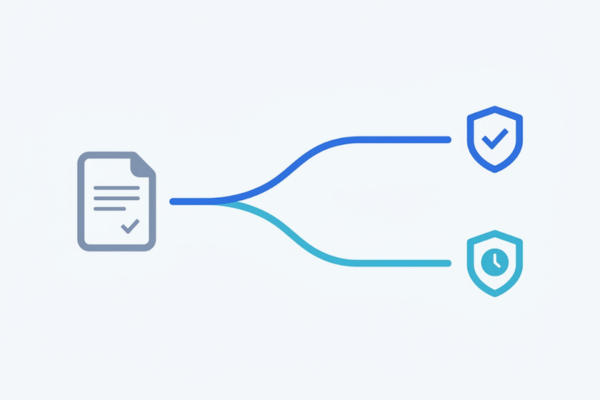
There’s a common myth that BaaS is faster. In reality, most bank partnerships today take 9–11 months to go live. Between diligence, integration, and marketing approvals, launch timelines often slip—even after getting the green light.
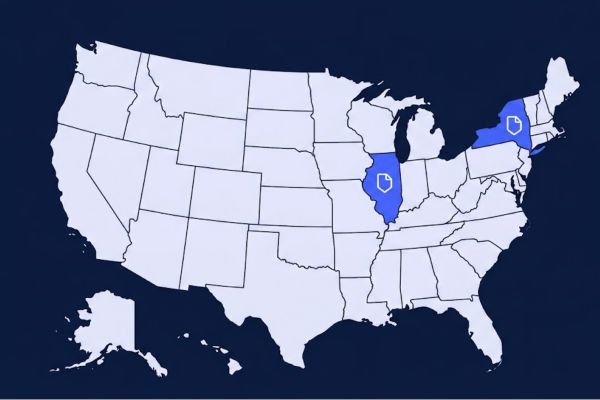
In contrast, MTLs can be approved in as little as 3–4 months in initial states. You don’t need to wait for all 50. Start with 5–10 states, begin testing your business model, and build momentum while your remaining applications are in flight.
💰 Cheaper to Start Than You Might Expect
In today’s market, many BaaS providers only work with companies that have raised $4-5M+—a hurdle that can lock early-stage founders out.
By contrast, you can begin your MTL journey with as little as $1M in starting capital, by applying for 5-10 licenses, proving out your product and product market fit - Making it a more accessible path for VC backed companies to validate their idea.
Licensing doesn’t have to be all-or-nothing. Start lean. Prove product-market fit. Scale thoughtfully.
📉 Better Unit Economics at Scale
The cost of running on BaaS stacks has quietly crept up—between middleware providers, platform fees, interchange share,internal compliance needed for AML, complaint handling, etc- Many FinTechs end up paying double: once for the service/tools, and again for the people.
MTLs do require compliance investment—but without the markup. There’s no monthly fee to a third party for simply accessing your own ledger. Over time, this can mean meaningfully better gross margins and long-term cost savings.
🧱 Durability That Survives Market Shocks
In the last few years, we’ve seen what happens when a sponsor bank gets cold feet, changes its risk appetite, or gets hit with a consent order: customer funds get frozen. FinTechs get offboarded with 30 days’ notice. Entire product lines disappear overnight.
Startups in this situation often don’t fail because of bad products—they fail because they didn’t control the rails.
If you need full control over onboarding, funds flow, or your product roadmap, MTLs are the more durable option. They let you build through cycles. They’re not just about launching—they’re about surviving.
Getting Started with MTLs: It's Easier Than You Think
Getting licensed used to feel opaque, slow, and expensive. But that’s changed.
With the right partner like Brico, licensing can be 5X faster, 1/10th the cost, and integrated into your go-to-market. You don’t have to pause your product. You build them both side-by-side.
If you're building a fintech product with money movement at its core, the question isn’t just how fast can we launch—it’s how strong are we building?
Contact us to find out how Brico's MTL licensing software cuts down on redundant licensing tasks, making your application process up to 5x faster and cheaper than working with a consulting firm or a law firm.
Disclaimer: This article is for informational purposes only and does not constitute legal, financial, or regulatory advice. Brico is not a law firm and does not provide legal counsel. Licensing requirements vary by state and depend on your specific business model and circumstances. You should consult with qualified legal counsel before making any licensing decisions or taking action based on this content.