Regulators require every business applying for Money Transmitter Licenses (MTLs) to name a Compliance Officer. Early-stage startups can meet this requirement by hiring someone full-time or bringing in a fractional compliance lead until they scale.
What the Compliance Officer Actually Does
The Compliance Officer owns all regulatory controls and their responsibilities typically include:
- Overseeing AML, KYC, and customer due-diligence programs. AML policy implementation is the biggest bucket of responsibility on their plate.
- Ensuring compliance with federal rules and state money-transmitter regulations
- Maintaining and updating internal policies
- Conducting internal audits and advising on risk management
- Training staff and updating procedures when regulations change
Qualifications Regulators Expect
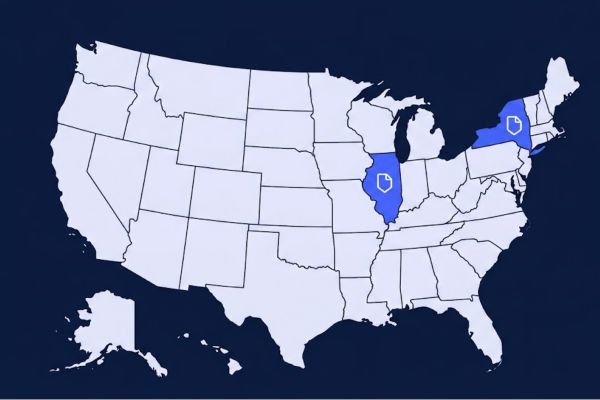
General finance or fintech experience isn’t enough. The Compliance Officer must have AML experience, and some states—like New York—expect at least five years of US AML experience. Certifications like CAMS are useful, but not required.
Related: Unified MTL Exams: What Networked Supervision Means for You
Fractional vs. Full-Time
Many early-stage startups start with a fractional compliance officer. However, as you expand into more states—especially the larger and stricter ones—you’ll need someone full-time and on payroll. Best practice is to have a full-time internal compliance lead in place before beginning any licensed activity so policies, especially AML, are implemented consistently.
Documentation Needed for MTL Applications
States typically ask for:
- Full resume or CV
- Copies of degrees and certifications
- Background check and fingerprinting
- A detailed write-up of compliance experience
- An organizational chart showing reporting lines
Finding Strong Compliance Candidates
Good candidates can be sourced through:
- Banking, fintech, and compliance job boards
- Recruiters specializing in AML, risk, and financial services like HW3
- Network at industry conferences or through compliance associations (e.g., ACAMS, ABA, CSBS)
Compensation Expectations
Pay varies by location, experience, and company size:
- Entry-level roles: $65,000–$90,000
- Experienced full-time officers: $100,000–$180,000+ (Higher end is indicative of salaries in NYC, SF, Seattle, etc)
- Fractional/contract roles: $100–$250 per hour, depending on expertise
Simplify Your Money Transmitter Licensing with Brico
Managing MTL applications across multiple states shouldn't mean juggling spreadsheets, chasing deadlines, and recreating documentation from scratch. Brico is the licensing and compliance platform built for fintechs—centralizing your requirements, documents, and workflows in one place so you can get licensed faster and stay compliant as you scale.
→ See how Brico's Money Transmitter Licensing Software works
Disclaimer: This article is for informational purposes only and does not constitute legal, financial, or regulatory advice. Brico is not a law firm and does not provide legal counsel. Licensing requirements vary by state and depend on your specific business model and circumstances. You should consult with qualified legal counsel before making any licensing decisions or taking action based on this content.