.png)
A well-constructed business plan is the roadmap regulators use to assess your company's readiness, viability, and risk. States want to see how you'll operate, secure customer funds, scale responsibly, and comply with laws at every step.
What Regulators Look For in MTL Business Plans
- Clear description of business model, products, and target market
- Evidence you understand legal responsibilities, anti-money laundering (AML), and consumer protection compliance
- Realistic financial projections and operational plans tailored for money transmission
- A business plan that's credible, well-organized, and specific to the money transmitter license—not generic
Required Sections and Components
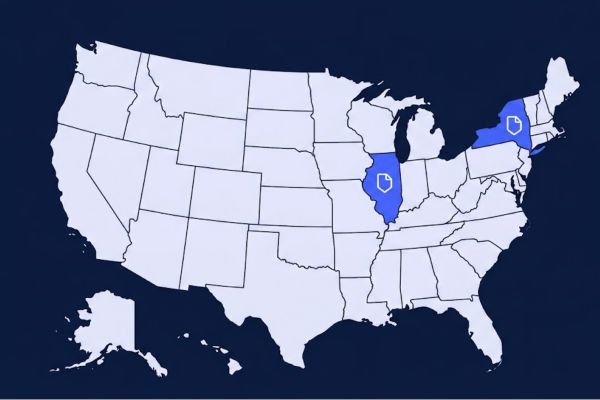
Each state has its own nuance of what they want to see and they are quite strict about including state specific sections, so you should work with an expert like Brico to create these documents. But at a high-level your business plan should include:
- Executive Summary
- Business Description (company, mission, and objectives)
- Market Analysis
- Organization & Management (org chart, key personnel)
- Product/Service Details
- Operations & Technology
- Regulatory Compliance & Risk Management
- Marketing & Sales Plan
- Financial Projections
- Appendices (supporting documents, resumes, etc.)
Executive Summary Best Practices
- Provide a concise overview of the business, business model, and strategic goals
- Summarize key risks and your approach to address them
- Highlight why your team and solution are uniquely qualified for licensed money transmission
Market Analysis Requirements
- Define target market, customer segments, and industry trends
- Include competitor analysis and your unique value proposition
- Present realistic growth opportunities with supporting data
Operations and Technology Sections
- Operational plan covering transaction lifecycle, staffing, and controls
- Technology infrastructure—security protocols, data protection, and how technology enables compliance
- Vendor management if using third-party services
Risk Management Documentation
- Identification of operational, financial, cyber, regulatory, and reputational risks
- Description of controls: AML program, transaction monitoring, and disaster recovery solutions
- Policy and training documents showing ongoing compliance oversight
Common MTL Business Plan Mistakes
Avoid these frequent errors:
- Using generic templates lacking money transmission specifics for each of the states. Your application will be delayed if you are not submitting the business plan exactly how the regulators want it
- Missing or unrealistic financial and market analysis
- Overlooking compliance, risk, and regulatory documentation
- Unclear organizational structure and role definitions
Simplify Your Money Transmitter Licensing with Brico
Managing MTL applications across multiple states shouldn't mean juggling spreadsheets, chasing deadlines, and recreating documentation from scratch. Brico is the licensing and compliance platform built for fintechs—centralizing your requirements, documents, and workflows in one place so you can get licensed faster and stay compliant as you scale.
→ See how Brico's Money Transmitter Licensing Software works
Disclaimer: This article is for informational purposes only and does not constitute legal, financial, or regulatory advice. Brico is not a law firm and does not provide legal counsel. Licensing requirements vary by state and depend on your specific business model and circumstances. You should consult with qualified legal counsel before making any licensing decisions or taking action based on this content.