
It sounds like a formality, but SoS registration has real implications for your MTL timeline. Some states process registrations in a day. Others take 30-45 days. If you haven't factored registration into your licensing roadmap, you could be looking at unexpected delays before you even submit your first MTL application.
This guide covers what fintech teams need to know about SoS registration as a prerequisite to money transmitter licensing: costs, processing times, and how to sequence your filings for the fastest path to market.
Why SoS Registration Matters for MTL Applications
Every state requires you to be authorized to conduct business before you can apply for regulatory licenses. This authorization comes through "foreign qualification;" registering with the Secretary of State in each state where you weren't originally formed.
For MTL applicants, this creates a dependency chain:
SoS Registration → MTL Application → License Approval → Launch
You can't start the MTL clock until SoS registration is complete. In slow-processing states, this can add weeks or even months to your timeline.
What Happens If You Skip This Step
Submitting an MTL application without valid SoS registration will result in:
- Application rejection or delays while you complete registration
- Potential resubmission fees
- Lost time in an already lengthy approval process
Some states will let you submit your MTL application while SoS registration is pending, but you won't receive license approval until registration is complete. Others require proof of registration before they'll accept your application at all.
Planning Your Timeline: Registration Processing by State
When mapping your MTL rollout, start with SoS processing times. These determine how early you need to file before submitting license applications.
Many of the slower states offer expedited options or faster processing timelines depending on submission type (e.g. mail vs. online vs. in-person). For example, California has a number of expedited services available for a variety of business formation types.
While expedited services are available in many of these states, it can become quite costly!
Fast-Track States (1-2 Days)
These states won't slow you down. You can register and submit MTL applications almost simultaneously.
| State | Processing Time | Annual Fee | Due Date |
| Alaska | 1 day | $200 | January 2nd (biennial) |
| Colorado | 1 day | $110 | Anniversary month |
| Indiana | 1 day | $132 | Anniversary month (biennial) |
| Iowa | 1 day | $145 | April 1st (odd years) |
| Kentucky | 1 day | $115 | June 30th |
| Massachusetts | 1 day | $620 | Anniversary date |
| Mississippi | 1 day | $100 | April 15th |
| Nevada | 1 day | $450 | End of anniversary month |
| New Jersey | 1 day | $175 | End of anniversary month |
| Oregon | 1 day | $200 | Anniversary date |
| Puerto Rico | 1 day | $250 | April 15th |
| South Dakota | 1 day | $150 | First day of anniversary month |
| Wisconsin | 1 day | $125 | Varies by formation date |
| Alabama | 2 days | $100 minimum | 2.5 months after taxable year begins |
| Louisiana | 2 days | $130 | Anniversary date |
| Minnesota | 2 days | $100 | December 31st |
| Oklahoma | 2 days | $125 | Anniversary date |
| South Carolina | 2 days | None* | No requirement (unless S/C corp) |
| Texas | 2 days | None* | No FTR if revenue under $1.18M |
| Washington | 2 days | $160 | Last day of anniversary month |
Moderate Processing (3-15 Days)
Build 1-2 weeks of buffer into your timeline for these states.
| State | Processing Time | Annual Fee | Due Date |
| Connecticut | 3 days | $180 | Anniversary date |
| Vermont | 3 days | $135 | 2.5 months after fiscal year end |
| Rhode Island | 5 days | $152.50 | September 1st – November 1st |
| Tennessee | 5 days | $300 | 1st of 4th month after fiscal year end |
| Pennsylvania | 2-5 days | $70 | Every 10 years |
| Arkansas | 7 days | $250 | May 1st |
| Kansas | 7 days | $150 | 15th of 4th month after fiscal year end |
| New York | 7 days | $109 | End of anniversary month (biennial) |
| Montana | 1-7 days | $120 | April 15th |
| Delaware | 1-7 days | $400 | June 1st (franchise tax) |
| Ohio | 3-7 days | $125 | July 1st (odd years) |
| Florida | 2-10 days | $238.75 | January 1st – May 1st |
| Maryland | 10 days | $300 | April 15th |
| Nebraska | 10 days | $110 | April 1st (odd years) |
| West Virginia | 1-10 days | $126 | July 1st |
| Hawaii | 3-10 days | $112.50 | End of anniversary quarter |
| Georgia | 2-12 days | $150 | January 1st – April 1st |
| North Carolina | 2-12 days | $302 | April 15th |
| Michigan | 1-14 days | $125 | February 15th |
| Utah | 2-14 days | $120 | Anniversary date |
| New Hampshire | 15 days | $200 | April 1st |
| Wyoming | 15 days | $162 | First day of anniversary month |
| Idaho | 1-15 days | $100 | End of anniversary month |
| DC | 1-15 days | $400 | April 1st (biennial) |
Slow States: Plan Ahead (15-45 Days)
These states require advance planning. File SoS registration 4-6 weeks before you intend to submit MTL applications.
| State | Processing Time | Annual Fee | Due Date |
| Arizona | 8-20 days | $103 | January 1st – April 30th |
| Virginia | 3-28 days | $150 | End of anniversary month |
| California | 2-30 days | $120 | Last day of anniversary month |
| New Mexico | 30 days | None | No annual report required |
| North Dakota | 30 days | $150 | November 15th |
| Maine | 5-30 days | $185 | June 1st |
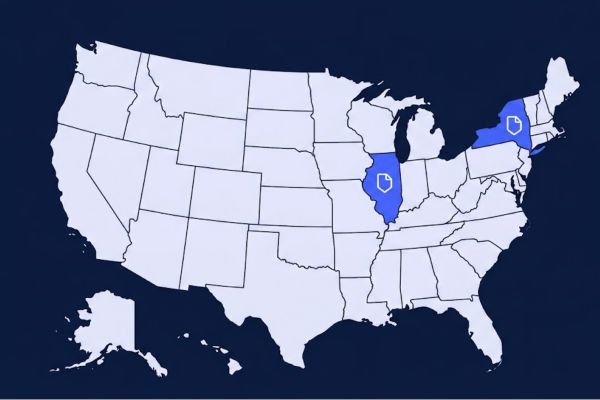
| Illinois | 2-45 days | $175 | Before 1st of anniversary month |
Cost Impact: SoS Fees as Part of Your MTL Budget
SoS registration is a cost component of your overall licensing investment. Here's how it fits into your MTL budget.
Registration Costs Across All States
FAQs
Do I need a registered agent in every state?
Yes. Every state requires a registered agent—an individual or service authorized to receive legal documents on your behalf. National registered agent services can handle all 50 states for $5,000-$10,000 annually.
How much does SoS registration cost across all 50 states?
Initial registration runs approximately $8,000-$10,000. Including first-year annual reports and registered agent fees, budget $21,500-$29,500 for year one.
Can I expedite SoS registration?
Most states offer expedited processing for additional fees. This can reduce processing times significantly but adds to your costs.
Which states have the slowest registration processing?
Illinois (up to 45 days), California (up to 30 days), New Mexico (30 days), North Dakota (30 days), and Maine (up to 30 days) have the longest standard processing times.
Do I need to register with the Secretary of State before applying for an MTL?
Yes. Every state requires valid business registration before accepting license applications. Some states allow concurrent processing; others require completed registration first.

Schedule a Demo
Schedule a demo to see how Brico can streamline your licensing process.