

A money transmitter license is a state-issued authorization that allows a company to store “money” or receive “money” from one party and transmit it to another on that party’s behalf. In practice, regulators treat you as a money transmitter when:
- You receive funds or monetary value from a customer.
- You send those funds or value to a different person, business, or account.
- You hold those funds
- You act as an intermediary at any point in that flow, even for a few seconds.
States created money transmitter licensing regimes to protect consumers, ensure companies are financially sound, and enforce anti‑money‑laundering rules.
How States Define Money Transmission
Each state writes its own money transmission statute, but the core concept is consistent.
Common elements include:
- Receiving money, funds, or value from a sender.
- Transferring or making those funds available to a recipient.
- Storing money, funds
- Using any channel: cash, ACH, wires, cards, stored value, or cryptocurrency.
Some states explicitly include “monetary value” and “virtual currency,” so crypto activity that looks like money movement often falls inside money transmission definitions.
Because definitions vary, the same product can be regulated differently in different states. A model that is exempt in one jurisdiction may require a full license in another.
Why States Require Money Transmitter Licenses
Money transmitter licenses exist to reduce consumer and systemic risk. Regulators want to ensure that companies handling customer funds:
- Maintain adequate net worth and liquidity.
- Post surety bonds to protect customers from loss.
- Implement BSA/AML programs to detect and prevent financial crime.
Licensing gives regulators leverage to examine your operations, review financials, and enforce corrective actions when necessary.
Who Typically Needs a Money Transmitter License?
Many fintech founders learn they are money transmitters only after speaking with regulators or counsel. In general, you are likely to need licenses if you:
- Move money between users (P2P, B2B, or B2C).
- Hold or store funds for customers, even temporarily.
- Facilitate crypto transfers or conversions between fiat and virtual currency.
- Act as an intermediary in payment processing and settlement flows.
- Operate payments across state lines or internationally.
For a detailed, model-by-model framework with examples and exemptions, see the dedicated guide on who needs a money transmitter license.
Common Business Types That Are Money Transmitters
Certain business categories almost always trigger money transmission rules:
- Remittance services that send customer funds domestically or cross‑border.
- Cryptocurrency exchanges and wallet providers enabling transfers or conversions.
- Peer‑to‑peer payment apps that hold and route balances between users.
- Bill pay services that receive customer payments and forward them to billers.
- Marketplaces that hold buyer funds before releasing them to sellers.
- Prepaid card issuers and reload networks transmitting stored value.
These models typically require a portfolio of licenses across most U.S. states.
Who Usually Does Not Need an MTL
Not every company that touches payments needs its own money transmitter license. Commonly exempt categories include:
- Banks and credit unions, which are already subject to comprehensive federal and state supervision.
- Certain agents of payees, where the agent is treated as receiving payment on behalf of the merchant under tightly defined conditions.
- Some “pure” payment processors that never take possession or control of funds.
- Some crypto companies are exempt in certain jurisdictions too
These exemptions are narrow, interpreted differently by each state, and easy to misapply. Relying on an exemption without written confirmation from regulators or legal counsel is one of the most expensive mistakes founders make.
How Many Money Transmitter Licenses Do You Need?
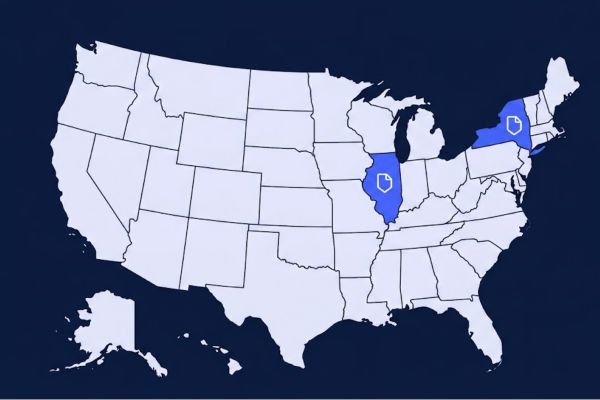
There is no national money transmitter license for most nonbank fintechs. Instead, you must obtain licenses in each state where your activity triggers regulation.
- 49 states, plus Washington, D.C., Puerto Rico, and the U.S. Virgin Islands regulate money transmission.
- Montana is currently the only state with no standalone money transmitter license.
A company seeking near‑nationwide coverage will typically hold around 50 separate licenses, each with its own:
- Application forms and fees.
- Net worth and surety bond requirements.
- Timelines, reporting obligations, and examination cadence.
Why Money Transmitter Licenses Matter for Your Business
Licensing shapes core aspects of your business:
- Legal risk: It is illegal to operate an unlicensed money transmitter business
- Fundraising: Institutional investors expect a clear regulatory strategy before investing.
- Partnerships: Enterprises and financial institutions prefer working with licensed counterparties.
- Market access: Every state without a license is a market you cannot serve.
- Acquisition: It is seen as an asset during acquisition process, not having it can also stall potential acquisition
Operating without required licenses exposes you to cease-and-desist orders, fines, forced disgorgement of profits, and in serious cases, personal liability for executives.
What Happens After You’re Licensed?
Getting licensed is the beginning of an ongoing relationship with regulators. Typical obligations include:
- Annual renewals with fees in each state.
- Quarterly and/or annual financial and transaction reporting.
- Maintaining surety bonds as volume grows.
- Monitoring statutory and rule changes in every jurisdiction.
- Preparing for periodic regulatory examinations.
- Implementing a strong anti-money laundering program
Managing all of this manually across 50+ jurisdictions is resource‑intensive and error‑prone, which is why many companies adopt specialized license automation platforms and external support.
Next Steps for Founders
If your product involves moving, holding, or transmitting customer funds, money transmitter licensing should be part of your roadmap early—not after launch.
Next steps:
- Use the who needs a money transmitter license guide to assess your business model.
- Review the full money transmitter license guide for fintech startups for costs, timelines, and state strategy.
- Begin analyzing which states you must prioritize based on your go‑to‑market and risk appetite.
How Brico Helps
Brico is a compliance automation platform built specifically for companies navigating money transmitter licensing. Instead of tracking requirements across 50 states manually, Brico's MTL licensing software centralizes everything in one platform.
License application management. Brico's platform guides you through application requirements for each state, with smart data mapping that pre-fills forms using information you've already provided. No more re-entering the same company details fifty times.
Deadline tracking and alerts. One dashboard shows all your renewal dates, reporting deadlines, and upcoming requirements. Automated reminders ensure nothing falls through the cracks during staff transitions or busy periods.
Regulatory intelligence. State requirements change constantly. Brico monitors regulatory updates across all jurisdictions and surfaces changes relevant to your licenses, so you're never caught off guard by new forms or shifted deadlines.
Compliance documentation. Every filing and status change is logged automatically. When examiners request compliance documentation, you can pull a complete history instantly.
Companies using Brico consistently get licensing applications filed faster than those relying on traditional methods. When competitors are still filling out applications, you're already serving customers.
Ready to discuss your licensing roadmap? Contact Brico to explore how we can help you navigate the process efficiently.
Disclaimer: This article is for informational purposes only and does not constitute legal, financial, or regulatory advice. Brico is not a law firm and does not provide legal counsel. Licensing requirements vary by state and depend on your specific business model and circumstances. You should consult with qualified legal counsel before making any licensing decisions or taking action based on this content.